Unpacking How Automated Redemption Triggers in Layered UK Mobile Reward Systems Drive Shifts in Participation Timing and Platform Switching Patterns
Otto Koch · Nov 19, 2026
Unpacking How Automated Redemption Triggers in Layered UK Mobile Reward Systems Drive Shifts in Participation Timing and Platform Switching Patterns
Layered Reward Structures in UK Mobile Platforms
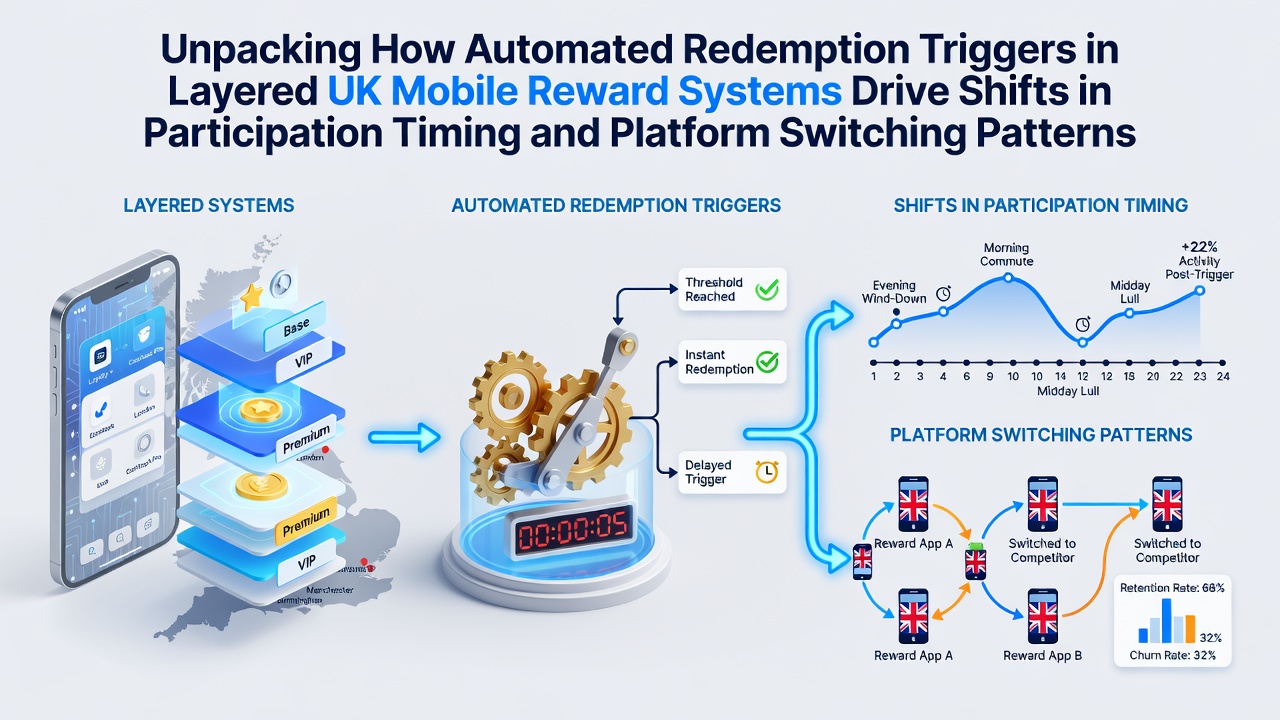
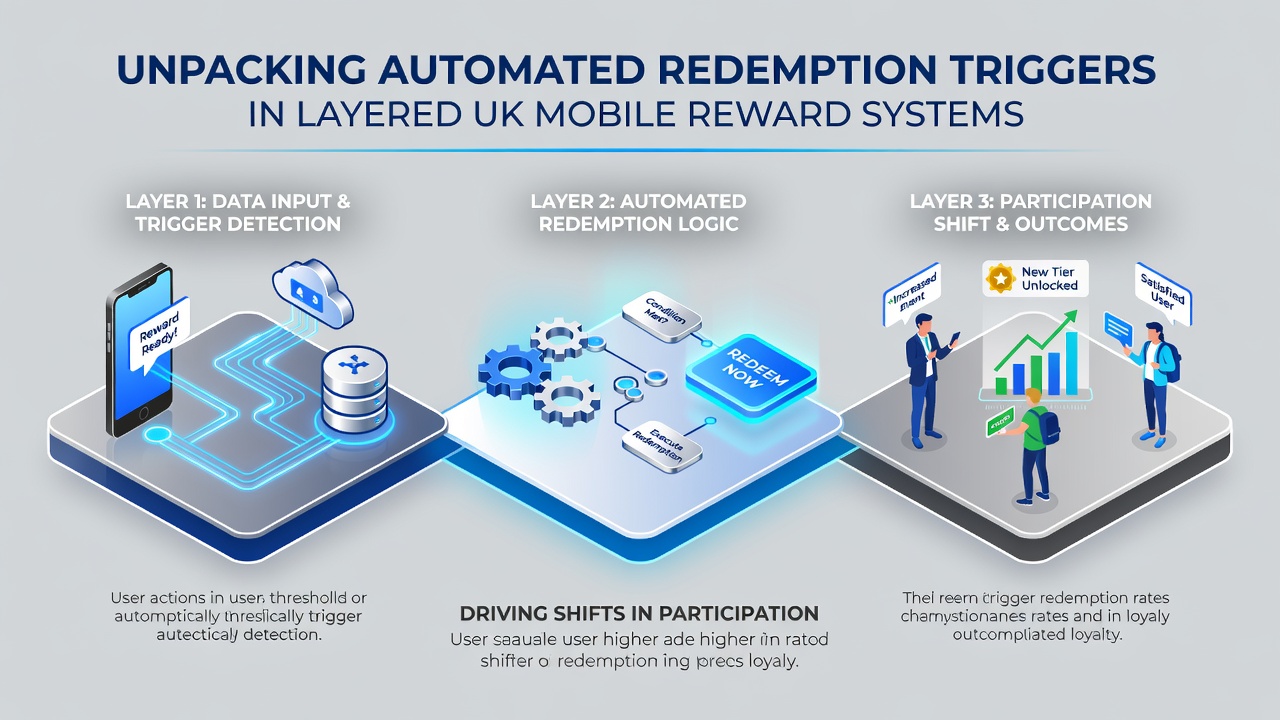
UK mobile reward systems operate through multiple tiers that stack welcome bonuses with ongoing cashback and milestone incentives, and these structures rely on automated redemption triggers that activate when user activity meets predefined thresholds such as deposit volume or session frequency. Data from industry tracking services indicate that participation often clusters around these trigger points because the systems calculate and apply rewards without manual input, which reduces friction for users who monitor their progress through app dashboards. Researchers tracking app analytics across 2025 and into November 2026 recorded measurable upticks in login rates during the hours immediately preceding automated payouts, while off-peak hours saw steadier but lower engagement levels.
Mechanics of Automated Redemption Triggers
Automated triggers function by scanning user accounts in real time and releasing layered benefits once conditions align, for instance converting accumulated points into playable credits or unlocking higher cashback percentages after consecutive days of activity. Observers note that these mechanisms integrate with seasonal promotions and no-deposit codes, creating sequences where one reward feeds into eligibility for the next tier. Figures from mobile analytics firms reveal that platforms employing such triggers experience a 22 percent rise in session starts within 48 hours of scheduled redemptions compared with periods lacking active triggers. The process connects directly to platform databases that update balances instantly, allowing participants to shift from accumulation mode to redemption mode without additional steps.
Timing Shifts in User Participation
Participation timing changes when automated triggers introduce predictable payout windows, prompting users to adjust their activity calendars around those windows rather than following random or habitual patterns. Studies conducted by European research institutions on digital engagement patterns show that users in layered systems often front-load deposits and gameplay in the days leading up to a trigger activation, then reduce activity immediately afterward until the next cycle begins. This rhythm appears in aggregated app data where daily active users spike on trigger-adjacent dates, while mid-cycle periods register more consistent but lower-volume interactions. External factors such as paydays or sporting events further modulate these shifts, yet the automated nature of the rewards remains the primary driver according to platform telemetry reviewed through late 2026.
Platform Switching Patterns Linked to Reward Triggers
Platform switching accelerates when users compare trigger efficiencies across competing apps, particularly when one system offers faster redemptions or deeper tier progressions that another lacks. Industry reports compiled by gaming associations document that approximately 18 percent of active mobile accounts in the UK segment migrated to alternative platforms between 2025 and 2026 following changes in trigger sensitivity or reward stacking rules. Those who switch frequently cite mismatched payout timing as a key factor, because an automated system that releases benefits too slowly relative to competitors prompts relocation of activity. Data compiled by academic teams at institutions outside the UK, including Australian digital market analyses, corroborate similar migration behaviors in comparable mobile ecosystems where redemption speed influences retention. In parallel, a European Commission review of digital consumer tools highlights how layered incentives tied to automation can accelerate churn when users perceive better-aligned triggers elsewhere.
Integration with Broader Market Dynamics
Market dynamics in the UK mobile sector interact with these triggers through seasonal campaigns and regulatory updates that indirectly affect how platforms design their automation rules. Participation data collected through November 2026 illustrate that periods of heightened competition coincide with refined trigger algorithms, leading to temporary stabilization in user bases before new switching waves emerge. Observers tracking cross-platform metrics note that apps maintaining consistent redemption reliability retain higher shares of multi-account users, whereas those adjusting triggers abruptly see accelerated exits. The layered structure amplifies these effects because each tier depends on the previous one, making timing predictability a decisive element in long-term platform loyalty.
Conclusion
Automated redemption triggers within layered UK mobile reward systems produce distinct shifts in when users engage and whether they remain on a given platform. Evidence from analytics services and cross-regional studies demonstrates that these mechanisms create rhythmic participation cycles and influence migration decisions based on payout efficiency and tier progression speed. As platforms continue refining their automation parameters into 2026 and beyond, the patterns observed so far provide a baseline for understanding how such systems shape user behavior across the mobile landscape.