Tracing Interconnections Between Code-Driven Incentives and Tiered Retention Tactics in Portable Gaming Platforms
Yves Simon · Sep 10, 2026
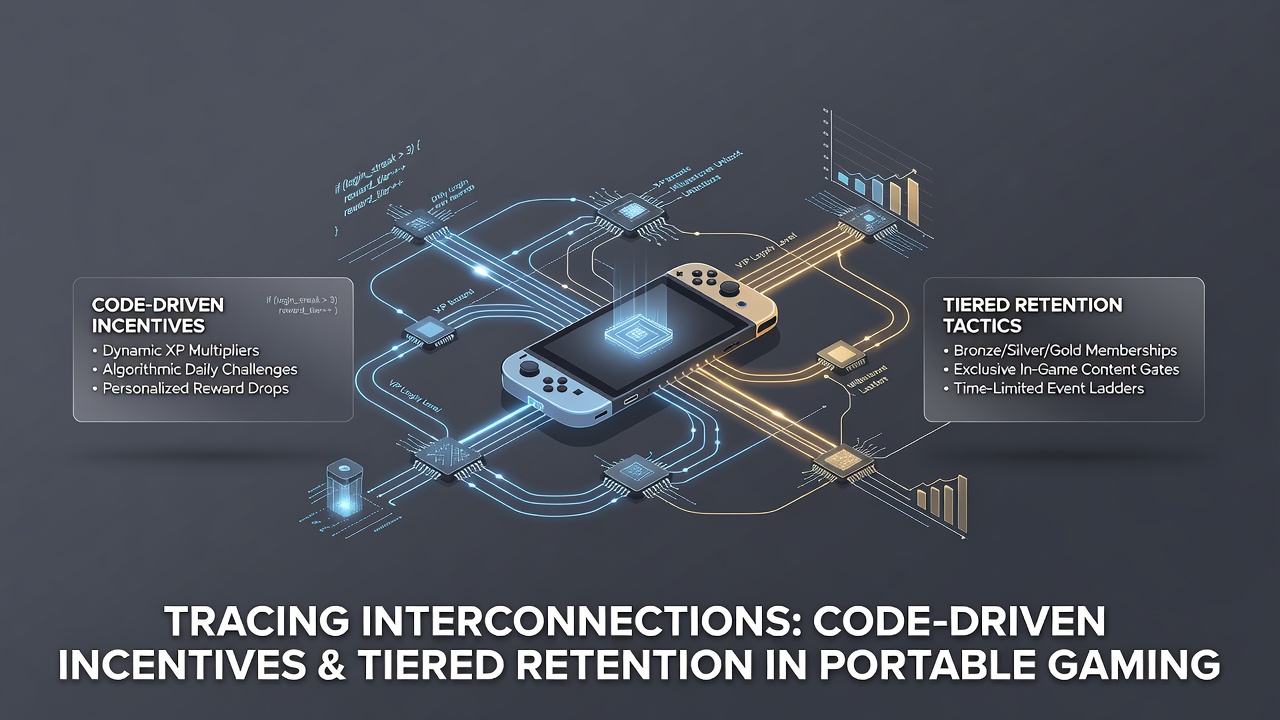
Tracing Interconnections Between Code-Driven Incentives and Tiered Retention Tactics in Portable Gaming Platforms
Portable gaming platforms rely on interconnected systems that combine promotional codes with structured loyalty tiers to maintain user engagement across mobile devices. These mechanisms operate through app-based ecosystems where developers distribute redeemable codes that grant in-game currency, items, or temporary boosts, while tiered programs assign users to levels based on cumulative activity and spending patterns. Research from industry organizations indicates that such approaches emerged prominently in the mid-2010s as free-to-play models expanded, and data shows continued refinement through 2026.
Mechanics of Code-Driven Incentives in Mobile Environments
Code-driven incentives function via unique alphanumeric sequences that users enter through in-app interfaces or linked websites, triggering automated delivery of rewards without requiring direct purchases. Developers generate these codes in batches for distribution through social media campaigns, event partnerships, or email newsletters, with expiration dates and usage limits built into backend servers to control redemption volume. Observers note that platforms like those hosting battle royale titles or puzzle games track code performance through analytics dashboards that measure activation rates alongside subsequent session lengths. In September 2026, reports highlighted increased integration of QR code scanning features in several major apps, allowing seamless transitions from physical promotions to digital rewards.
Design Elements of Tiered Retention Structures
Tiered retention tactics organize users into progressive categories such as bronze, silver, gold, or platinum, where advancement depends on metrics including login streaks, total playtime, and resource expenditures. Each tier unlocks escalating benefits including exclusive content access, reduced cooldown timers on actions, or priority customer support channels, creating a ladder effect that rewards sustained interaction. Figures from gaming association studies reveal that these systems often incorporate monthly reset cycles for certain progress bars, encouraging regular returns to maintain status. Experts have documented how algorithms adjust tier thresholds dynamically based on aggregate user data to balance accessibility with exclusivity.
Linkages Between Promotional Codes and Loyalty Tiers
Interconnections arise when redeemed codes contribute directly to tier progression metrics, such as counting toward monthly activity points or unlocking temporary tier previews. This linkage creates feedback loops where an initial code redemption boosts short-term metrics that feed into long-term tier advancement, prompting users to pursue higher levels through continued platform use. Researchers discovered in multiple case analyses that platforms frequently design code campaigns to target users near tier boundaries, offering boosts that complete level-ups and trigger associated rewards. Data indicates these synergies increase overall retention windows compared to isolated incentive types, with backend systems logging correlations between code batches and tier movement statistics.
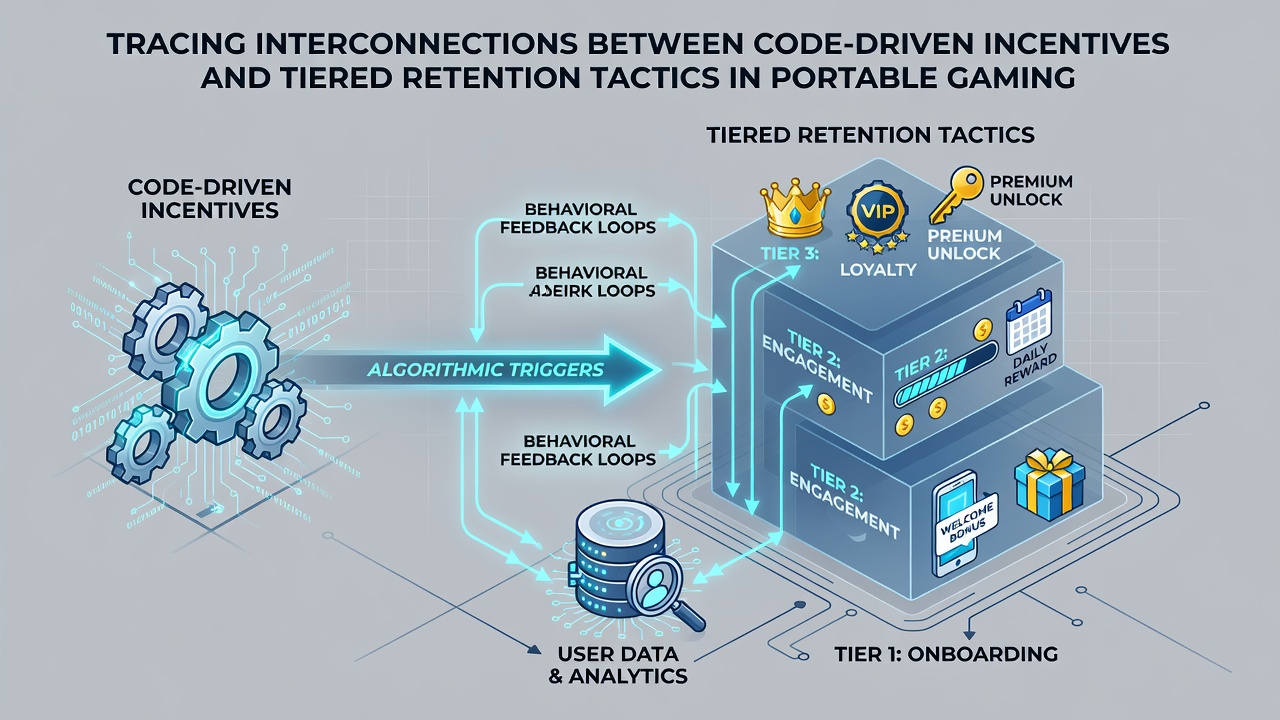
One study revealed patterns where seasonal code events align with tier reset periods, allowing participants to rebuild standing through combined code usage and standard gameplay. What's interesting is how developers monitor cross-effects via A/B testing frameworks that compare retention curves for users exposed to linked incentives versus standalone versions. Those who've examined platform telemetry note that code redemptions often spike immediately before tier evaluation dates, suggesting users strategically time entries to maximize tier benefits.
Platform Examples and Implementation Patterns
Take one popular simulation game series where monthly codes distribute event-specific currency that counts toward tier multipliers, resulting in accelerated advancement for active redeemers. There's this case where experts found similar patterns in role-playing titles that layer code-granted items onto tier-exclusive armor sets, creating visible differentiation that reinforces progression incentives. Industry reports from the Entertainment Software Association document how these tactics appear consistently across genres, with variations in code validity windows and tier benefit granularity adapted to regional user bases. Additional analyses from the Interactive Games and Entertainment Association highlight geographic differences in implementation, including stricter code distribution rules in certain markets to comply with consumer protection standards.
Industry Data and Regulatory Context
Statistics compiled through 2026 demonstrate that platforms employing both incentive types report higher average revenue per user when code contributions integrate with tier calculations. Regulatory bodies in multiple regions require transparent disclosure of code terms and tier qualification criteria within app descriptions and support pages. Observers note ongoing adjustments in data handling practices following updates to privacy frameworks, which affect how user activity metrics feed into tier algorithms. Evidence suggests that developers conduct regular audits to ensure code systems do not inadvertently bypass tier eligibility rules.
Conclusion
Portable gaming platforms continue to refine the connections between code-driven incentives and tiered retention tactics through integrated tracking systems adn targeted distribution methods. Industry metrics from 2026 show these approaches influence user pathways from initial engagement to sustained participation, with backend data guiding iterative improvements. Further examination of platform implementations reveals consistent emphasis on measurable outcomes tied to both reward types.