Great Britain's Gambling Sector Reports 4.4 Percent Rise in Gross Gambling Yield
Yves Simon · Sep 24, 2026

Great Britain's Gambling Sector Reports 4.4 Percent Rise in Gross Gambling Yield
The customer-facing gambling industry across Great Britain recorded a 4.4 percent year-on-year increase in gross gambling yield, reaching £17.5 billion during the financial year that ran from April 2025 through March 2026, and the figures come from the latest industry statistics released by the Gambling Commission.
Key Drivers Behind the Overall Increase
Remote and online operations accounted for the bulk of the expansion, climbing 6.9 percent to £8.3 billion while land-based venues posted a more modest 1.1 percent gain; together these movements produced the headline total, and observers note that the remote channel now represents a larger share of the market than in previous periods.
Data from the official report shows that online casino and slots products led the remote category, contributing the strongest percentage gains within that segment, whereas betting exchanges and other remote formats grew at slower rates; this pattern aligns with earlier trends that placed greater emphasis on digital platforms.
Land-Based Performance Remains Steady
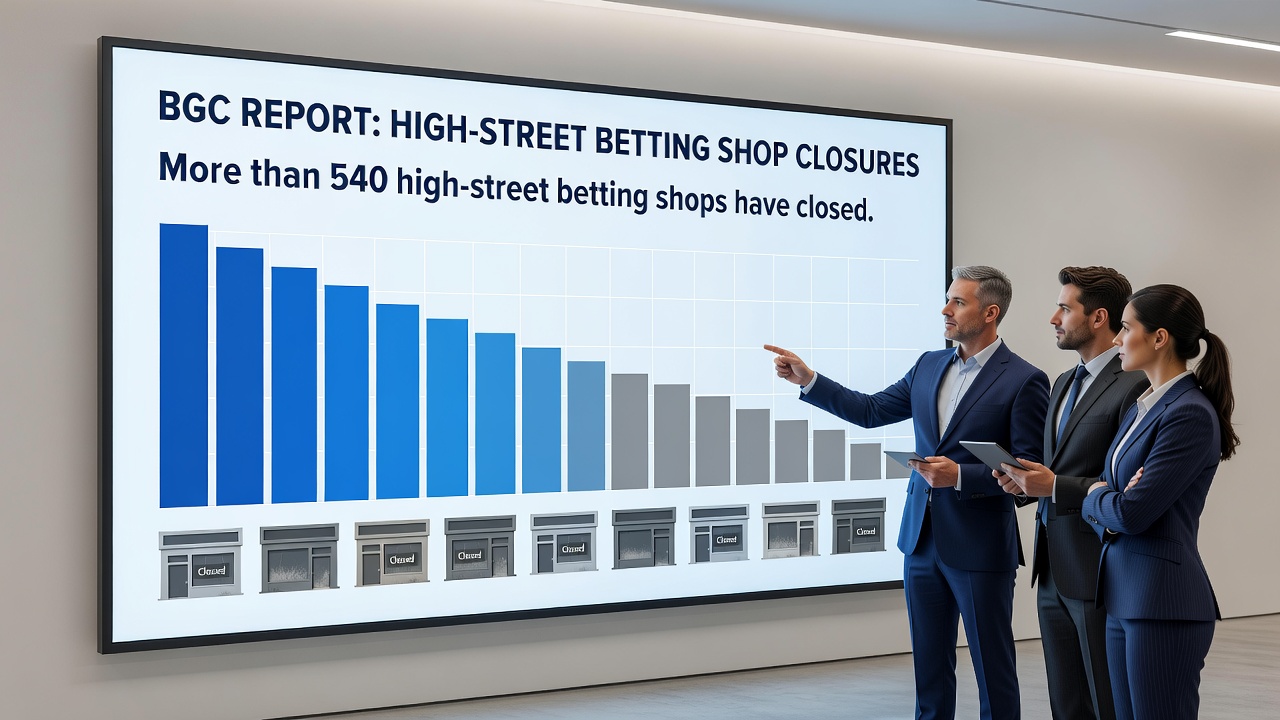
Physical betting shops, casinos and arcades together delivered the 1.1 percent uplift, yet the increase occurred against a backdrop of ongoing shop closures that have reduced the total number of high-street outlets in recent years; the modest growth therefore reflects higher yields per remaining venue rather than an expansion in premises.
Those who track venue-level data point out that machine gaming and table games in land-based casinos contributed measurable portions of the sector's rise, while bingo halls and adult gaming centres posted smaller positive movements; the combined land-based result still trailed the remote sector by a wide margin.
Figures Excluding Lotteries Provide Additional Context
When lotteries are removed from the calculation the gross gambling yield stood at £13.2 billion, representing a 4.7 percent increase over the prior year; this adjusted total highlights the performance of the core betting and gaming markets without the distorting effect of lottery sales, which operate under separate regulatory and commercial structures.
The report links the £13.2 billion outcome directly to the same remote and land-based splits already described, confirming that online casino and slots continued to drive most of the growth even after lottery revenues are stripped out; the 4.7 percent rise exceeds the overall 4.4 percent figure, indicating that lottery yields grew at a comparatively slower pace during the same twelve-month period.
Publication Timing and Market Relevance
The Gambling Commission published the full set of industry statistics in September 2026, giving operators and regulators the first complete view of activity through the end of the 2025-2026 financial year; market participants have since used the numbers to benchmark performance against the previous twelve months.
Further breakdowns in the same document separate gross gambling yield by product type and by operator size, revealing that a handful of large remote operators captured the majority of the online increase; smaller land-based businesses, by contrast, recorded more varied results that depended heavily on location and footfall.
Conclusion
The April 2025 to March 2026 data therefore paint a picture of continued migration toward remote channels alongside steady but limited expansion in physical venues, and the £17.5 billion total, together with the £13.2 billion figure that excludes lotteries, supplies a clear benchmark for the next reporting cycle; the Gambling Commission continues to publish these statistics on an annual basis so that trends can be monitored over multiple years.